Oil falls below $100 as Trump concedes the Iran war cost Republicans Congress
Brent crude fell more than 8% on Wednesday to under $95 a barrel, its first drop below $100 since September, and US crude fell below $90, as traders bet that the Democratic sweep of Congress will push Washington toward ending the war with Iran. President Trump said it was “largely true” that the war had hurt Republicans, because it “drove the gasoline up a little bit short term,” but added: “You can’t let Iran have a nuclear weapon.” He said he would do it again. Vice President JD Vance was blunter, writing on X: “The reason we lost is the war.” Trump told the Financial Times there were no immediate plans for new strikes.
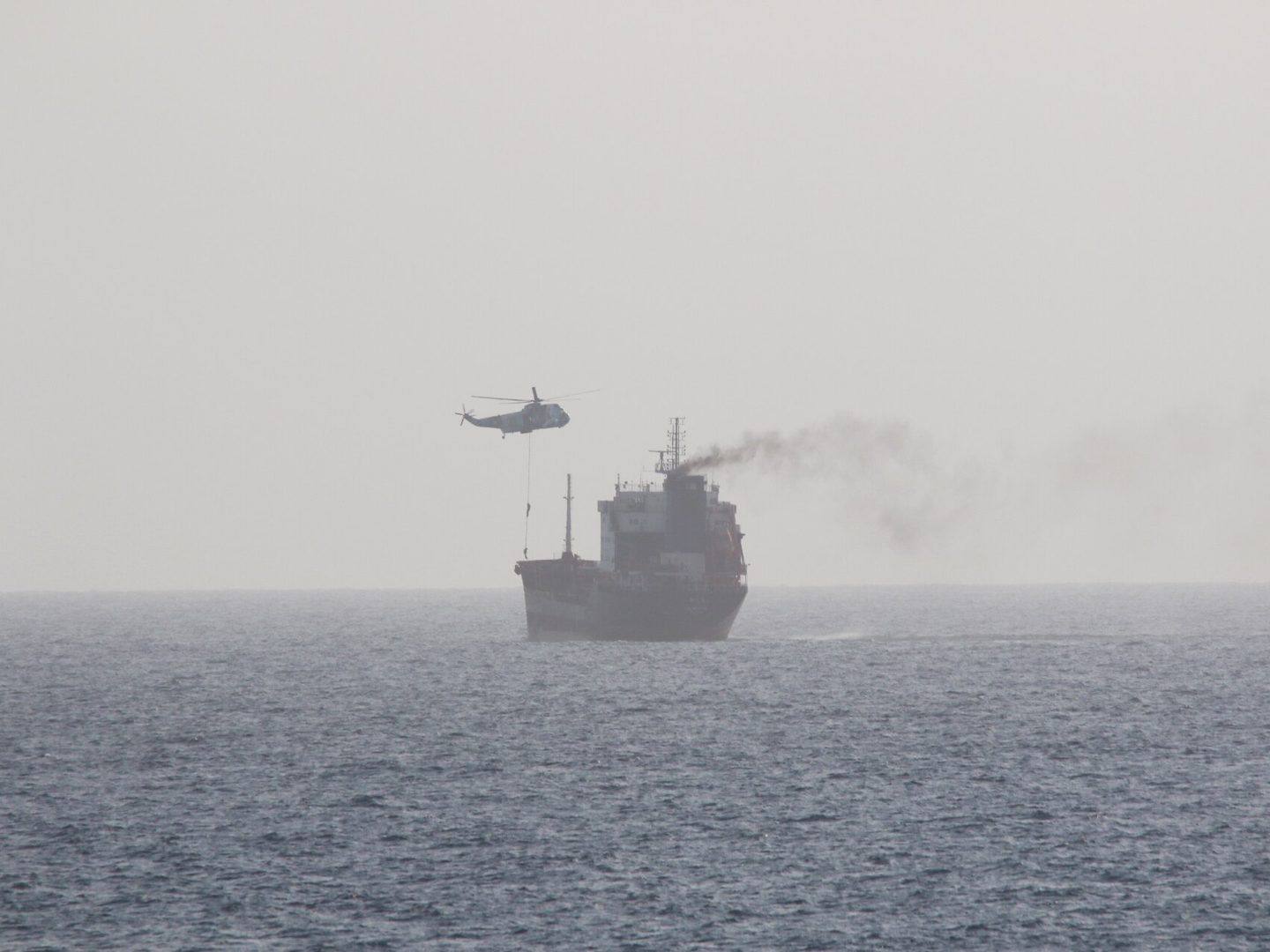
Senate Democratic leader Chuck Schumer said: “This war must end. It must end,” and called Congress’s “power of the purse” one way of deterring a president who wages war without public consent. In Iran, chief negotiator Mohammad Bagher Ghalibaf wrote that “Americans said NO TO WAR, and we endorse this message,” while a statement attributed to Supreme Leader Mojtaba Khamenei said anyone expecting a change in US behavior was mistaken. The fighting has not stopped: Iran’s Revolutionary Guards said four tankers caught fire after hitting mines near the Strait of Hormuz, a claim not independently verified, and indirect talks through Qatari and Pakistani mediators have produced no agreement.
Why it matters
This is today’s highest-impact story because the war’s cost at the pump has now reshaped American politics, and the political shift is already moving the world’s oil price. Cheaper oil eases fuel and shipping costs far beyond the US, and a Congress willing to use spending to constrain the war changes the pressure on both Washington and Tehran. Trump still commands the military and holds a veto, and the new Congress does not sit until January. What to watch: whether talks produce a deal on reopening Hormuz, whether new strikes follow, and whether the oil drop holds.
Read more CBS News ↗ · PBS NewsHour ↗ · The National ↗